- Gain clarity
- Identify strengths
- Increase performance
- Navigate change
- Enhance wellbeing
- Explore values
- Achieve objectives
- Improve relationships
- Manage stress
- Create a vision
An integrative approach to human flourishing grounded in psychology, embodiment, nervous system regulation, and contemplative wisdom.
An integrative approach to human flourishing grounded in psychology, embodiment, nervous system regulation, and contemplative wisdom traditions.
An integrative approach to human flourishing grounded in psychology, embodiment, nervous system regulation, and contemplative wisdom.

Sometimes we seek support because we feel overwhelmed, disconnected, emotionally exhausted, or stuck in repeating patterns. Sometimes we are navigating transition, loss, relationship challenges, burnout, or existential questioning. And sometimes there is simply a quiet sense that life could be lived more consciously, meaningfully, and fully.
This work supports people in reconnecting with their true Self beneath stress, conditioning, fear, and habitual ways of relating to life.
Coaching as such has no agenda. It is a method that can be applied in any thematic context. Whether career-related, relationships, leadership or personal development, the topic as such has no implication for the process of coaching since the coachee is considered the expert on his or her situation.
Coaching as such has no agenda. It is a method that can be applied in any thematic context. Whether career-related, relationships, leadership or personal development, the topic as such has no implication for the process of coaching since the coachee is considered the expert on his or her situation.
of the work and may be integrated with other methodologies and modalities. Every process is tailored individually depending on the person.
of the work and may be integrated with other methodologies and modalities. Every process is tailored individually depending on the person.
Positive Psychology Coaching forms the foundation of my work. It combines principles from Positive Psychology, Coaching Psychology, behavioural science, and humanistic psychology to support meaningful and sustainable human development.
At the centre of this approach lies the understanding that wellbeing is not simply the absence of suffering, but the active cultivation of a meaningful, engaged, and aligned life. Human beings naturally possess strengths, capacities, and potentials that can be developed consciously when the right internal and external conditions are in place.
Depending on the individual and situation, coaching may explore areas such as:
My coaching approach is both reflective and practical. Together, we explore not only why certain patterns exist, but also how change can be embodied and integrated into everyday life through awareness, intentional action, and aligned behavioural shifts.
A core principle within Positive Psychology is that attention shapes experience. The mind naturally develops habitual ways of perceiving reality based on past experiences, conditioning, emotional memory, and repetition. Over time, these patterns influence not only emotional wellbeing, but also behaviour, relationships, identity, and our perception of what is possible.
Coaching therefore involves developing greater awareness of these patterns whilst consciously cultivating supportive inner capacities such as:
At the same time, my approach does not focus on “positive thinking” or the denial of pain and difficulty. Human growth naturally includes uncertainty, grief, fear, conflict, vulnerability, and challenge. In many cases, genuine wellbeing emerges not through avoiding discomfort, but through developing the capacity to consciously relate to all aspects of human experience.
Sessions are always tailored to the individual. Some may be highly structured and goal-oriented, while others may focus more deeply on emotional processing, self-exploration, nervous system regulation, meaning-oriented inquiry, or existential questions.
Where supportive and appropriate, Positive Psychology Coaching may be integrated with somatic approaches, mindfulness and contemplative practices, Internal Family Systems-informed work, TRE®, sound healing, Reiki, spiritual guidance, or intuitive insight.
The intention of this work is not self-optimisation or becoming a different person. Rather, it is to cultivate greater awareness, alignment, flexibility, meaning, wellbeing, and a more conscious relationship to oneself and life.
Internal Family Systems (IFS) is a therapeutic and developmental framework based on the understanding that the human psyche is not singular, but made up of different “parts” or sub-personalities that each developed for a reason.
Throughout life, human beings adapt to experiences, relationships, stress, wounds, expectations, and emotional pain. In order to protect us, different psychological strategies and identities emerge. Some parts strive for achievement, control, perfection, productivity, or self-discipline. Others may carry fear, shame, grief, anger, insecurity, or emotional vulnerability. Some parts attempt to avoid pain through distraction, people-pleasing, withdrawal, overthinking, numbness, or compulsive behaviours.
Originally, these patterns often developed intelligently and adaptively. They helped us navigate life and protect ourselves from overwhelm, rejection, pain, or emotional threat. Over time, however, they may become rigid, unconscious, or disconnected from present reality.
Within this framework, many forms of psychological suffering can be understood as the result of internal fragmentation and identification with conditioned protective patterns.
At the centre of IFS lies the understanding that beneath these conditioned parts exists a deeper core of awareness often referred to as the Self. The Self is characterised by qualities such as Compassion, Creativity, Curiosity, Confidence, Courage, Calm, Connectedness, Clarity, Presence, Persistence, Perspective, Playfulness, Patience. Healing does not occur through fighting or suppressing parts of ourselves, but through bringing awareness, understanding, and compassionate integration to them.
This understanding strongly resonates with both contemplative traditions and my broader approach to human development. Many spiritual traditions similarly point toward the idea that human beings tend to identify with conditioned patterns of mind, emotion, and identity, while deeper awareness exists beneath these layers of conditioning.
In practice, parts work may involve:
This process is often deeply transformative because it shifts the internal relationship from judgment, suppression, or identification toward curiosity, understanding, compassion, and integration.
Parts work can be especially supportive for:
Within my work, I integrate IFS-informed approaches together with Positive Psychology, mindfulness, somatic awareness, contemplative inquiry, and nervous system regulation. The intention is not to “get rid” of parts of oneself, but to gradually create a more conscious, compassionate, and integrated internal system.
TRE® (Tension & Trauma Releasing Exercises) is a body-based approach working with the nervous system and patterns of stress and tension held within the body.
The method is based on the understanding that human beings naturally store stress responses physiologically. Experiences of pressure, overwhelm, fear, emotional suppression, chronic stress, trauma, or prolonged activation do not only affect the mind, but also shape muscular tension, breathing patterns, posture, nervous system regulation, and the overall state of the body.
When stress responses are not fully processed or discharged, the body often remains in subtle states of contraction, vigilance, or dysregulation. Over time, this can influence emotional wellbeing, behaviour, thought patterns, energy levels, relationships, and the overall sense of safety within oneself.
TRE® works with a natural neurogenic tremor mechanism present within the human nervous system. Through a specific sequence of exercises, the body is gently invited into involuntary tremoring responses that may support the release and regulation of deeply held tension patterns.
While the experience differs from person to person, many individuals report feeling:
From my perspective, somatic work is an essential complement to cognitive and reflective approaches. Human beings do not only “carry” experiences mentally. Conditioning is often simultaneously held in the body, nervous system, emotional memory, identity structures, and habitual behavioural patterns. This is one reason why insight alone does not always create lasting transformation.
My own experience with TRE® profoundly changed the direction of my life and eventually led me to train as a certified provider. Since then, it has become an important part of my work, particularly in supporting nervous system regulation, embodiment, emotional processing, stress reduction, and the integration of psychological and spiritual development.
TRE® may be supportive for:
Sessions are always approached carefully and collaboratively. The process is adapted to the individual’s nervous system, readiness, and current life situation. My intention is not to force catharsis or overwhelm the system, but to gradually support greater safety, regulation, awareness, and integration within the body.
Where appropriate, TRE® may also be integrated with mindfulness, breath awareness, sound healing, coaching, emotional processing, or contemplative practices to support deeper grounding and integration.
Reiki is a Japanese energy-based practice originally developed by Mikao Usui in the early 20th century. The word Reiki can roughly be translated as “universal life energy.” The practice is based on the understanding that human beings are not only physical and psychological systems, but also energetic ones.
Within many contemplative and traditional healing systems, it is understood that stress, emotional suppression, chronic tension, trauma, and conditioning can influence the natural flow and balance of energy within the system. In traditions such as Yoga and Traditional Chinese Medicine, this has historically been described through concepts such as prana or qi.
Reiki works gently with relaxation, energetic balance, and restoration. Sessions are intended to support the nervous system in moving out of chronic stress activation and into states of greater calm, openness, and regulation. Many people experience Reiki as deeply grounding, calming, emotionally soothing, and restorative.
From a psychological perspective, deep states of relaxation can create conditions that support emotional processing, self-awareness, nervous system regulation, and overall wellbeing. In this sense, Reiki may complement other modalities by helping the system soften, slow down, and restore internal balance.
I practice within the Usui Shiki Ryoho Reiki tradition as a certified Reiki Master Practitioner. Sessions may take place in person or remotely, as the practice is not limited by physical proximity in the same way as purely body-based approaches.
Experiences during Reiki vary from person to person. Some individuals notice warmth, tingling sensations, emotional release, imagery, deep calm, or shifts in bodily awareness. Others simply experience profound relaxation and rest.
Within my work, Reiki is often integrated alongside coaching, somatic approaches, meditation, sound healing, or contemplative practices to support regulation, integration, emotional restoration, and reconnecting with a deeper sense of inner balance and vitality.
The intention of Reiki within this framework is not to replace medical or psychological treatment, but to support the body and nervous system’s natural capacity for restoration, regulation, and healing.
Sound has been used for healing, regulation, and contemplative practice across cultures for thousands of years. Today, sound-based approaches are increasingly explored in relation to the nervous system, emotional regulation, and states of deep relaxation.
As a certified Integrative Vibrational Therapist, I work with a set of four therapeutic Tibetan singing bowls. The bowls create specific vibrational frequencies that interact with the body and nervous system in subtle yet often deeply perceptible ways.
The intention of sound healing is to harmonise the human system and support the body’s natural movement toward balance and regulation. The rhythmic and repetitive nature of sound may help entrain brainwaves into calmer states associated with rest, repair, meditation, and nervous system recovery.
Many people experience sound healing as deeply grounding and calming. Some notice emotional release, mental quietness, increased bodily awareness, or a sense of spaciousness and inner stillness. From an energetic perspective, sound may also help gently loosen and resolve areas of contraction or “blockage” within the system created through stress, emotional suppression, or conditioning.
Within my work, sound healing is often integrated with TRE®, meditation, breath awareness, or reflective coaching processes. Especially after somatic work, sound can support integration by helping the nervous system settle and reorganise more gently.
The intention is not to force an experience, but to create conditions in which the system can soften, regulate, and reconnect with greater presence, coherence, and inner balance.
Meditation and contemplative practices have been used across cultures for thousands of years to cultivate awareness, concentration, compassion, insight, and inner stability.
A central aspect of contemplative practice is learning to observe experience rather than being completely identified with it. Thoughts, emotions, sensations, impulses, and perceptions continuously arise and pass within awareness. Through practice, it becomes possible to develop a different relationship to these experiences — one that is less reactive, more conscious, and more compassionate.
Depending on the individual and situation, I may integrate practices such as:
Mindfulness practices support awareness of present-moment experience and may help reduce automatic reactivity, over-identification with thought, and chronic mental overstimulation. Loving-kindness practices cultivate compassion, emotional openness, and connection toward oneself and others. Insight-oriented practices such as Vipassana support deeper observation of the patterns and processes shaping human experience.
Within this framework, meditation is not approached as performance, perfection, or spiritual achievement. The intention is not to “stop thinking,” but to gradually cultivate greater awareness, presence, emotional regulation, and psychological flexibility.
For some individuals, contemplative practice becomes an important support for stress reduction and wellbeing. For others, it may gradually open deeper existential or spiritual questions around identity, meaning, suffering, consciousness, and the nature of experience itself.
Practices are always adapted to the individual. My intention is not to impose a tradition or belief system, but to offer contemplative tools that may support greater clarity, integration, connection, and inner balance in everyday life.
Alongside psychological and somatic approaches, I also integrate perspectives from contemplative and wisdom traditions into my work. This aspect of my practice emerged naturally through years of study, personal practice, lived experience, and my PhD research on spiritual awakening and human development.
Throughout history, different traditions have explored fundamental human questions:
Traditions such as Buddhism, Yoga, Christian mysticism, Sufism, Daoism, and Kabbalah each developed different languages and frameworks to explore these questions. While they differ culturally and philosophically, many point toward similar insights regarding awareness, attachment, identity, suffering, interconnectedness, and transformation.
Within my work, these traditions are not approached dogmatically or religiously. I do not aim to convince anyone of a belief system or spiritual worldview. Instead, I draw from recurring principles, practices, and insights that may support psychological wellbeing, existential orientation, and deeper human development.
This work may involve:
For some individuals, this aspect of the work simply offers a broader perspective on wellbeing and human experience. For others, it becomes a deeper inquiry into consciousness, identity, and the nature of reality itself.
My intention is not to provide final answers, but to support clarity, orientation, and integration. In this sense, spiritual guidance becomes less about adopting new beliefs and more about developing a more conscious and direct relationship to experience itself.
Alongside structured psychological and contemplative approaches, I also work intuitively.
At times, insights arise spontaneously within the coaching process through deep attunement, observation, embodied awareness, emotional resonance, imagery, or sudden knowing. Often, these insights emerge naturally through a state of open, non-judgemental presence and deep listening.
In many cases, people communicate far more than words alone. Emotional states, internal conflicts, unconscious patterns, nervous system activation, and relational dynamics are often perceptible beyond purely cognitive conversation. Sometimes this may appear as intuitive understanding, symbolic imagery, bodily sensations, emotional resonance, or insights that arise unexpectedly during the session.
I approach these experiences carefully and with discernment. They are not treated as absolute truth or unquestionable authority, but as additional information that may support reflection, awareness, and understanding within the process.
At times, clients experience these moments as highly clarifying because they bring unconscious dynamics into awareness in a direct and emotionally resonant way. In other situations, intuition simply supports the natural flow and depth of the conversation.
Within my work, intuitive insight is never intended to replace critical thinking, psychological reflection, personal responsibility, or grounded decision-making. Rather, it is integrated alongside evidence-based approaches, contemplative understanding, somatic awareness, and reflective inquiry as one possible dimension of human perception and relational attunement.
The intention is always to support greater clarity, awareness, alignment, and integration in service of the client’s development and wellbeing.
My work is not rooted in the idea that people are broken and need to be fixed. Rather, I see human beings as naturally oriented toward growth, integration, connection, and wholeness when the right conditions are present.
Transformation rarely happens through insight alone. Many of the patterns shaping our lives are held not only in the mind, but also in the body, nervous system, emotional memory, relationships, and unconscious protective strategies.
For this reason, the work integrates both:
The onboarding as a coaching client at Flourished You brings a wealth of services and benefits.
According to your calender and needs for maximum flexibility
If requested to observe, evaluate and monitor the process
From Psychology and other disciplines concerned with the great life
All materials accessible to the clients of the training services are included in the coaching package
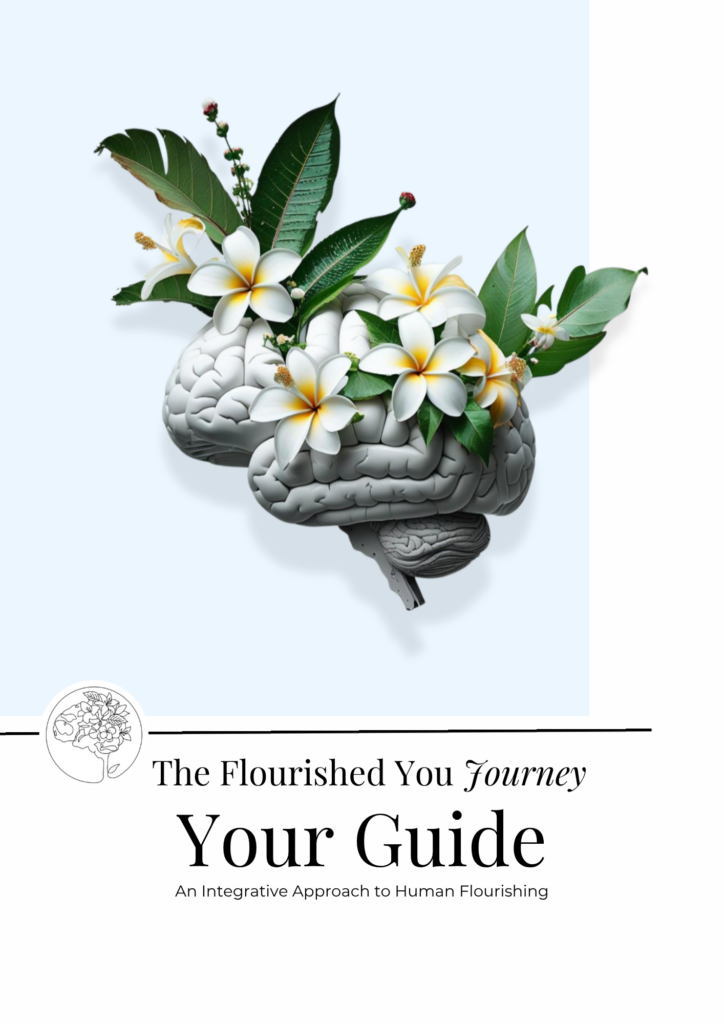
Download the Guide and receive all details about 1-on-1 work with me.
You have a question, would like to exchange a few ideas, have a special request or are simply curious?
Before every coaching agreement, there is a so-called chemistry session in which we get to know each other, clarify all questions and discuss our potential collaboration. It is free of charge to you.
Coaching can serve many purposes and offers a compelling return on investment for both business and personal settings. Below are some data of the statistical report of the International Coaching Federation about that matter.





Every coaching process is evaluated for quality control purposes. Some results of past evaluations are shown below.

Average star rating by previous coachees for the coaching experience


Of previous coachees would recommend the coaching to others


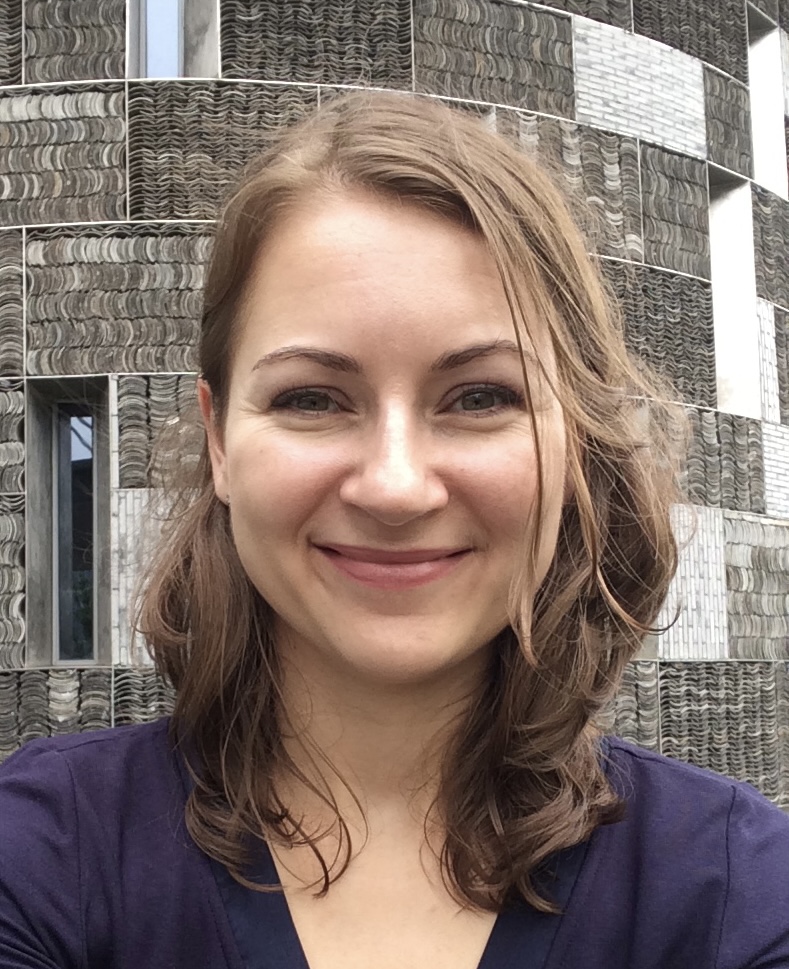



When asked to describe the coaching with single words, previous evaluations resulted in this word cloud.
An integrative approach to human flourishing grounded in psychology, embodiment, nervous system regulation, and contemplative wisdom.
The speciality of Flourished You is the application of Positive Psychology in coaching and training approaches. Through the integration of Coaching Psychology and Positive Psychology, the approach can be adapted ideally to individual needs and combine the best of both worlds. Flourished You gladly provides guidance through certain topics of Positive Psychology and supports with interventions and background knowledge to facilitate high wellbeing, optimal functioning and flourishing.
Positive Psychology is an exciting new field of study that explores the science of happiness, wellbeing, and human flourishing. It focuses on the positive aspects of life such as love, hope, optimism, strengths, resilience and other resources.
Positive Psychology is a relatively new field of psychology, but it is quickly gaining traction as a way to improve mental health and overall wellbeing. By focusing on the idea that individuals are capable of achieving a greater sense of wellbeing and happiness by actively engaging in activities that bring fulfilment, joy and other positive emotions. It is a proactive approach to mental health that focuses on the strengths and potential of individuals that seeks to cultivate the positive aspects of life and to help individuals to achieve their highest potential.
Coaching as a proactive mental health intervention aims to improve performance and wellbeing or achieve a personal objective by helping clients learn rather than teaching them while maintaining a respectful, open and compassionate attitude and providing a structured process using appropriate techniques and tools. Coaching is a co-created environment to drive best quality thinking, learn about oneself and navigate change. The Flourished You approach toc coaching is also called evidence-based coaching or Coaching Psychology. Coaching Psychology is a developmental process grounded in psychological theory.
In pure coaching, the coach does not share advice on specific topics but rather guides the coachee via coaching techniques to find personal answers. However, specific psychological information and advice can certainly be provided in the session if requested.
In training, on the other hand, the trainer covers a specific topic and actively brings in expert knowledge while the participants are engaged in the elaboration of the topic.
At Flourished You, various diagnostic instruments from Psychology are used depending on the coaching or training needs to quantitatively measure the effectiveness of the measure. Qualitative experience is also considered important, which is why coaching and training is always evaluated through open questionnaires and interviews. Some results of these evaluations can be found on the respective websites.
Coaching as such has no agenda, so the client can bring anything. It is a method that can be applied in any thematic context whether career-related, relationships, leadership or personal development, the topic as such has no implication for the process of coaching since the coachee is considered the expert of his or her situation. If someone is looking for advice on a specific issue, mentoring might be the right choice.
Coaching may be an expense that some people cannot afford. Nevertheless, everyone should have the opportunity to take advantage of coaching. For this reason, Flourished You has a contingent of pro bono places. If you are interested in such a place, write to us at hello@flourished-you.com and we will see what we can do.
Another way to improve your wellbeing through Positive Psychology and without going into coaching are our flourishing workbooks.
Flourished You follows a holistic approach. Therefore, in addition to coaching for wellbeing, workshops, seminars, events and practices for wellbeing such as TRE, yoga and mindfulness are also offered.
TRE® is an innovative series of exercises that assist the body in releasing deep muscular patterns of stress, tension and trauma. The exercises safely activate a natural reflex mechanism of shaking or vibrating that releases muscular tension, calming down the nervous system. When this muscular shaking/vibrating mechanism is activated in a safe and controlled environment, the body is encouraged to return back to a state of balance.
Tension & Trauma Releasing Exercises (or TRE®) is based on the fundamental idea, backed by research, that stress, tension and trauma is both psychological and physical. TRE®’s reflexive muscle vibrations generally feel pleasant and soothing. After doing TRE®, many people report feelings of peace and well-being. TRE® has helped many thousands of people globally.
TRE® is designed to be a self-help tool that, once learned, can be used independently as needed throughout one’s life, thereby continuously supporting and promoting personal health and wellness.
Yoga is a traditional system of physical, mental, energetic and spiritual practices that have been time tested and aim to create a union of body, mind, soul, and the universal consciousness. Yogic practices include physical postures (asana), morale behaviour (yama), breathing techniques (pranayama), chanting (mantra), meditation (dhyana) and more.
Mindfulness is a form of mental training that focuses on being present in the moment and observing one‘s thoughts, feelings, and bodily sensations with an attitude of non–judgmental acceptance. It involves paying attention to the here and now, letting go of mental activity, and developing a greater awareness of one‘s body and the environment.
The benefits of practising yoga and mindfulness include increased physical and mental wellbeing, improved mood and concentration, reduced stress and anxiety, improved sleep, and increased self–awareness to name a few.
Arrange your free and no-obligation discovery call now.
You want to learn more about 1-on-1 work with me? Wonderful! Please provide your email address to download the Guide.
You want to learn more about the Flourished You approach, Positive Psychology or the different ways of working with me? Wonderful! Please provide your email address to download the Booklet.